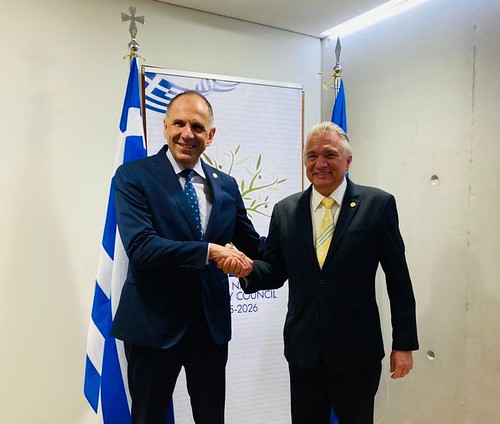
European leaders have failed to reach a consensus on the future of Ukraine during recent talks, as public opinion across the continent grows increasingly divided. The summit, held in Brussels, saw the 27 member states split into two opposing camps, with some advocating for a more aggressive stance and others pushing for a diplomatic resolution. The deadlock has raised concerns about the EU’s ability to maintain unity in its foreign policy.
The meeting, which lasted for two days, was marked by intense debates over military support, economic sanctions, and the long-term strategic goals for Ukraine. France and Germany, traditionally key players in EU diplomacy, found themselves at odds, with France urging a more cautious approach and Germany advocating for increased military aid. Meanwhile, Eastern European nations, including Poland and the Baltic states, called for a stronger commitment to Ukraine’s sovereignty.
This impasse follows months of internal EU tensions, with some member states questioning the financial and political costs of maintaining a strong stance on Ukraine. A recent survey conducted by the European Commission found that nearly 60% of citizens in the EU believe the bloc is overextending itself in its support for Ukraine. The situation has also led to growing public frustration, with protests in several cities demanding a more balanced approach.
The current stalemate echoes past disagreements over the EU’s role in global conflicts, particularly during the 2015 refugee crisis and the 2020 Brexit negotiations. The lack of a unified strategy has weakened the EU’s influence on the international stage, raising questions about its ability to act decisively in the face of geopolitical challenges. As the situation continues to evolve, the pressure on EU leaders to find a compromise remains high.