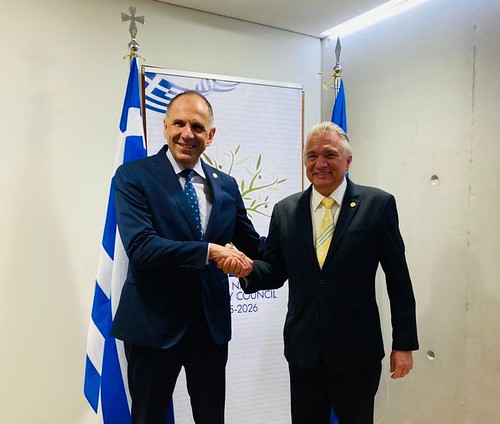
The European Union summit in Brussels began on November 26, 2026, with discussions on the new seven-year budget plan for 2028-2034. The meeting, held in the European Council, saw the presentation of a revised proposal by President Antonio Costa. The focus of the summit included financial resilience, the digital euro, and the European Investment and Savings Union.
The summit also addressed leadership changes within the European Central Bank. Dutch government officials announced support for Spanish economist Pablo Hernández de Cos as the next president of the European Central Bank, replacing Christine Lagarde. This decision followed the withdrawal of support for the Dutch candidate.
According to a report from the European Commission, Russia's revenue from crude oil exports reached $102 billion from January to September 2026. This figure highlights the economic impact of the crisis in Iran on global energy markets. The report was distributed to member states ahead of the summit.
The summit marked the start of negotiations among the 27 EU member states to reach a consensus on the budget plan by the end of the year. Discussions centered on balancing economic stability with investment in key sectors. The outcome of these talks will shape the EU's financial strategy for the next six years.
This summit comes amid ongoing challenges in European economic policy, including inflation, energy security, and the digital transformation of the eurozone. The decisions made will have long-term implications for the EU's economic governance and its response to global economic shifts.