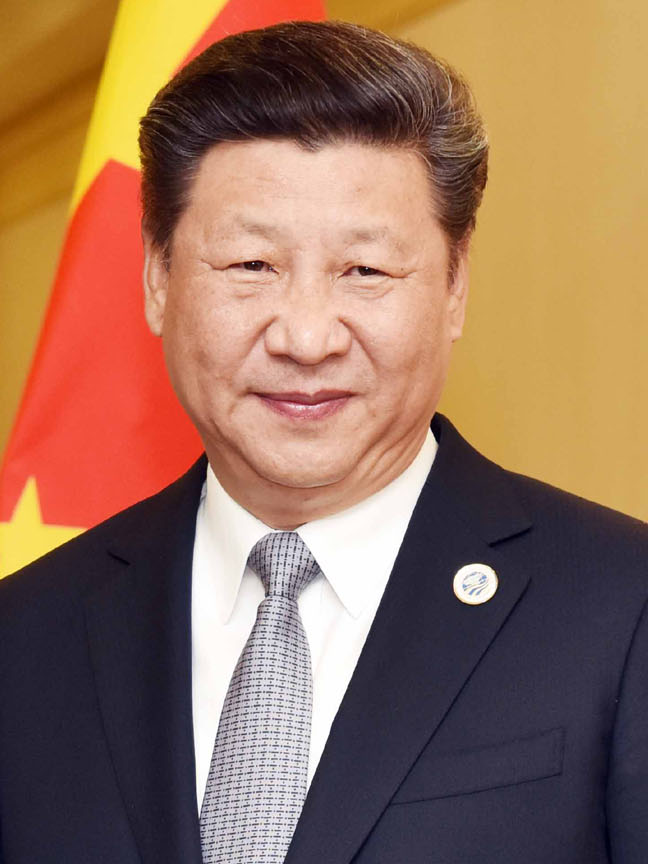
The three world leaders—Donald Trump, Vladimir Putin, and Xi Jinping—met in a historic tripartite summit in China, marking a significant shift in international diplomacy. The meeting took place in Shenzhen, where all three leaders engaged in discussions aimed at reshaping global alliances and addressing pressing geopolitical issues.
The summit, described by some as a turning point in international relations, saw the leaders focus on economic cooperation, security concerns, and the evolving role of major powers in global governance. Trump, known for his unpredictable foreign policy, emphasized the importance of bilateral agreements and the need for a "different path" in U.S. Foreign policy. Putin, in turn, highlighted the necessity of a multipolar world order, while Xi Jinping called for strengthened economic ties and strategic coordination among the three nations.
This meeting follows years of tension and shifting alliances between the United States, Russia, and China. The summit was seen as an attempt to redefine the balance of power in a post-pandemic world, where traditional alliances are being challenged by new economic and security realities. Analysts note that the meeting may signal a new era of cooperation, though the absence of concrete agreements suggests that the process is still in its early stages.
The summit also drew criticism from some European leaders, who viewed the meeting as a missed opportunity for broader multilateral engagement. German Chancellor Angela Merkel, for instance, expressed concerns about the lack of transparency and the potential for a new Cold War dynamic. Despite these concerns, the leaders remained optimistic about the future of their collaboration, framing the summit as a step toward a more stable and cooperative international order.