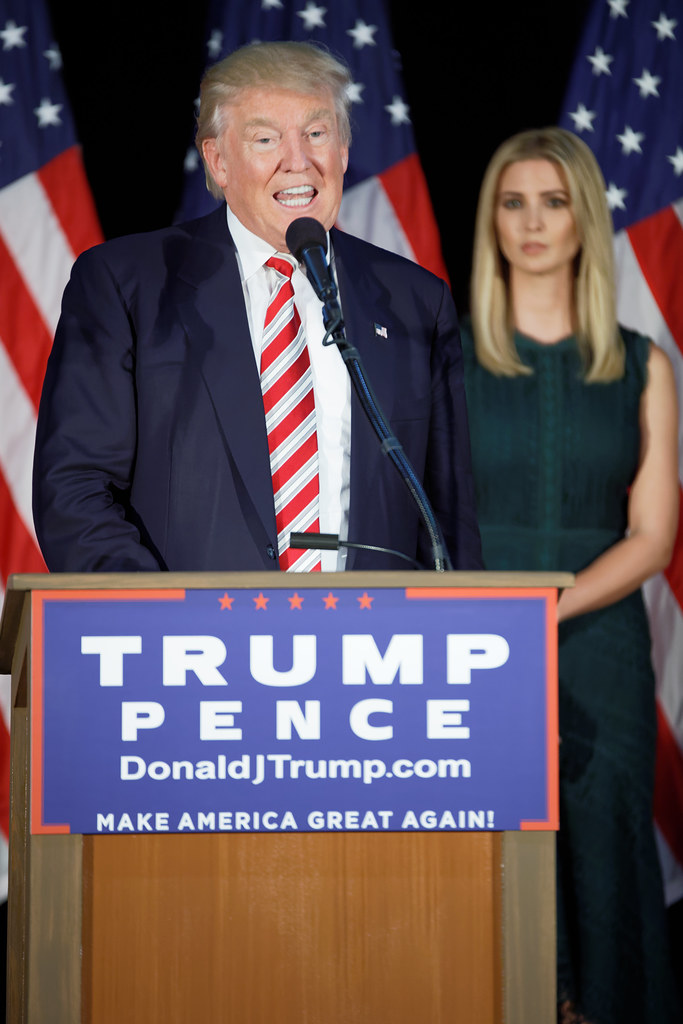
The midterm elections in the United States have resulted in a significant shift in political power, with the Democratic Party securing control of both the House of Representatives and the Senate. This marks a historic defeat for the Republican Party, which had held a majority in both chambers since 2015. The results signal a major political realignment, with Democrats gaining 22 Senate seats and 114 House seats, according to preliminary counts.
The loss of congressional control has profound implications for President Donald Trump, who faces a Congress that is now firmly in Democratic hands. This shift ends the Republican Party's two-decade dominance in the legislative branch, which had allowed Trump to push through a wide range of policies without significant opposition. The new Democratic majority is expected to introduce a series of legislative reforms, including measures to address economic inequality, climate change, and healthcare reform.
This outcome reflects growing public dissatisfaction with Trump's administration, particularly over its handling of the economy and foreign policy. The war in Iran, which Trump escalated, has been cited by analysts as a contributing factor to the Republican losses. Several Republican lawmakers have acknowledged that the conflict may have alienated voters, especially in key swing states.
The Democratic victory also signals a broader shift in American politics, with younger voters and urban populations increasingly favoring progressive policies. The results are seen as a rejection of Trump's populist rhetoric and his approach to governance. With the Democratic majority, the new Congress is expected to take a more active role in shaping the country's future, potentially leading to a more confrontational relationship with the executive branch.