The 2026 United States elections marked a significant political realignment as the Democratic Party secured control of both the House of Representatives and the Senate. This outcome represents a major shift in American politics, with Democrats gaining dominance over Republican-held seats in key states. The results have led to a reconfiguration of legislative power, impacting future policy directions and governance.
In Texas, the Democratic candidate, Abdulel Saegi, won a historic victory, becoming the first Muslim member of the U.S. Senate. His win was seen as a landmark moment, especially given the Republican-led attacks on his religious background. Meanwhile, in Michigan, the Democratic candidate, Abdulel Saegi, also secured a Senate seat, further solidifying Democratic gains. These victories were part of a broader trend where Democrats capitalized on Republican vulnerabilities, particularly in traditionally conservative regions.
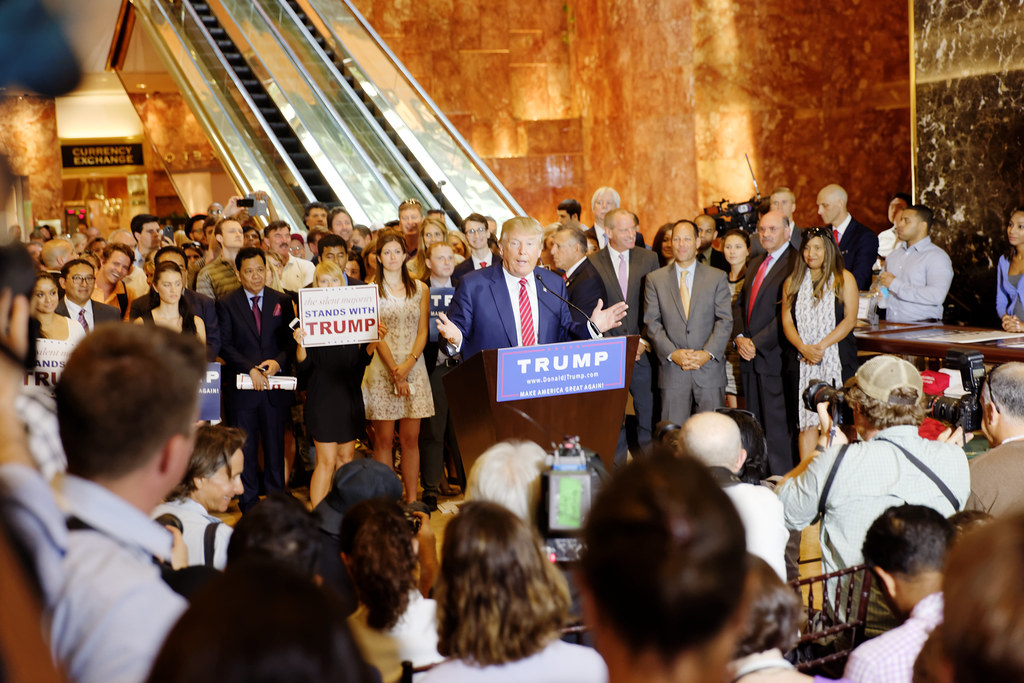
The election results have prompted a reevaluation of the Republican Party's strategy, with internal debates over the future of the MAGA movement. Former President Donald Trump, who had previously dominated the Republican base, saw his influence wane as the party struggled to maintain cohesion. His absence from the campaign, due to personal and political reasons, was noted as a factor in the Democratic success.
This electoral shift follows a period of growing public discontent with Republican policies, particularly on issues such as immigration and economic inequality. The Democratic victories signal a potential realignment of power, with implications for upcoming legislative agendas and the direction of U.S. Foreign policy.