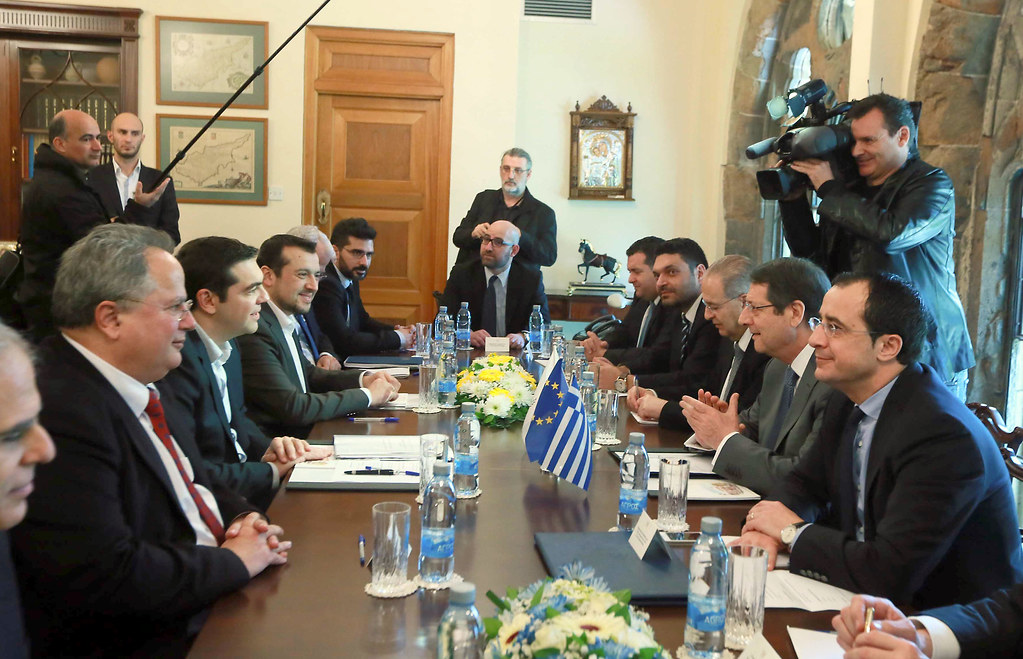
The Greek government has announced it will proceed with the construction of a submarine cable connecting Greece and Cyprus, despite political opposition. Energy Minister Panagiotis Hatzidakis stated that the project will move forward, emphasizing its strategic importance for regional connectivity.
The cable, expected to be completed by 2027, aims to enhance digital infrastructure and improve internet speeds between the two countries. It is part of a broader initiative to strengthen Greece’s position in the Eastern Mediterranean. Hatzidakis warned that those who oppose the government’s policy should wait, suggesting the project is non-negotiable.
The decision comes amid ongoing political tensions, particularly regarding Greece’s energy strategy and its relations with neighboring countries. The cable project is seen as a key step in securing Greece’s energy independence and improving its digital infrastructure. However, some political factions have raised concerns about the project’s costs and potential impact on regional stability.
The cable project is part of a larger European Union initiative to expand digital infrastructure across the region. Greece’s move is expected to set a precedent for other Mediterranean countries seeking to improve their digital connectivity. The government has not yet provided detailed financial figures or specific technical specifications for the project.
The situation highlights the growing importance of digital infrastructure in Greece’s foreign policy and economic strategy. As the project moves forward, it will be closely watched by both domestic and international observers.