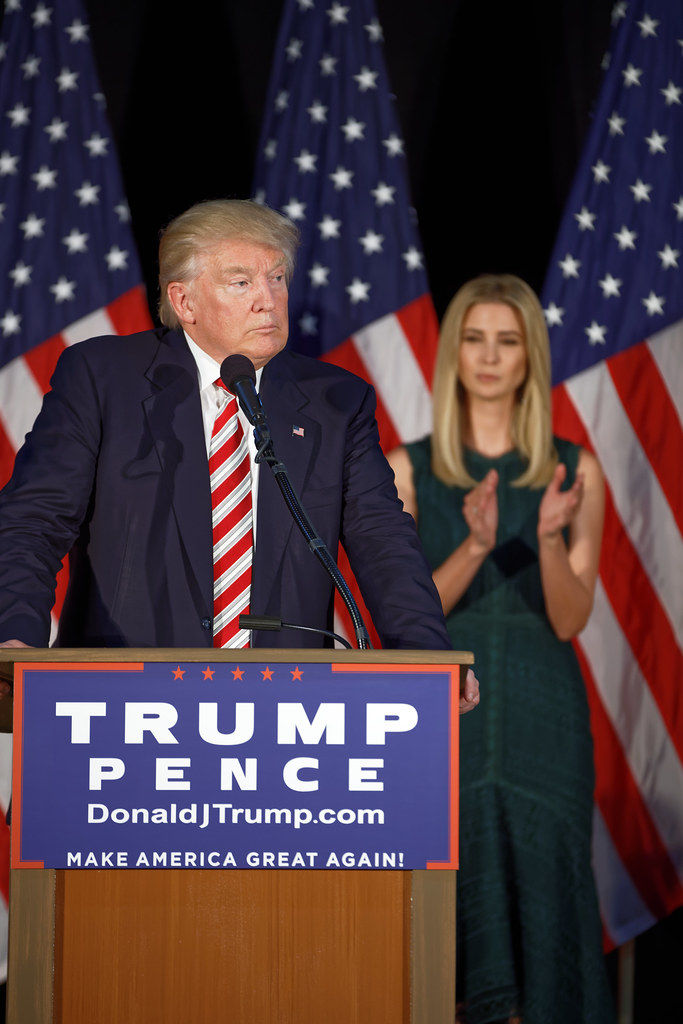
The 2026 US midterm elections delivered a decisive blow to the Republican Party, with Donald Trump's influence waning as his allies face internal scrutiny. According to Greek media reports, the fallout from the election has intensified tensions within the party, particularly between Trump and key figures such as Senator Marco Rubio and former President Donald Trump.
The election results have prompted speculation about the future of the Republican leadership, with some analysts suggesting that Trump may not be the party’s preferred candidate for the 2028 presidential race. Reports indicate that Rubio is preparing for a potential presidential bid, aiming to distance himself from Trump’s controversial policies and public image. This shift has led to a growing divide within the party, with some Republicans calling for a more moderate approach to governance.
The political landscape in the US has been further complicated by the aftermath of the 2026 election, which saw a significant loss of seats for the Republican Party. Analysts note that the party’s internal struggles are not only a response to the election results but also a reflection of broader ideological shifts among voters. The 2028 presidential race is now being viewed as a critical moment for the party’s future direction.
The election outcome has also sparked renewed interest in the role of foreign policy, particularly regarding the Iran conflict, which has been a major point of contention for Trump and his administration. As the party looks ahead to the next presidential cycle, the challenge will be to reconcile the diverse views within the Republican base while maintaining a unified front. The coming months will be crucial in determining the party’s strategy and leadership for the 2028 election.